
Why Psychodynamic Counselling
Psychodynamic therapy (also known as psychodynamic counselling) works on the idea that our unconscious thoughts and beliefs are formed in childhood and continue to affect our current behaviours.
For example, Marge Simpson in The Simpsons series suffered from a fear of flying and went to see a psychotherapist, who helped her understand her fear. As a child, Marge thought her father was a pilot, but one day she found out he was a cabin steward. Therefore, Marge’s fear of flying was, more likely, a protection from her disappointment of learning the truth about her father.

Psychodynamic therapy can treat the fears people have (often called phobias) by helping them understand the unconscious thoughts and feelings that contribute to their fear. Eventually, people can develop healthier coping strategies to deal with their anxiety rather than avoid it.
Psychodynamic therapy originated from Sigmund Freud’s psychoanalysis, which focused on the unconscious mind as a source of psychological distress.
A common way to explain the relationship between the conscious mind is the iceberg metaphor. When you see the tip of the iceberg, you are only seeing 10% of what is there because the rest is below the surface. Similarly, the unconscious mind runs 93%-95% of our lives and shapes our behaviour without us knowing why.
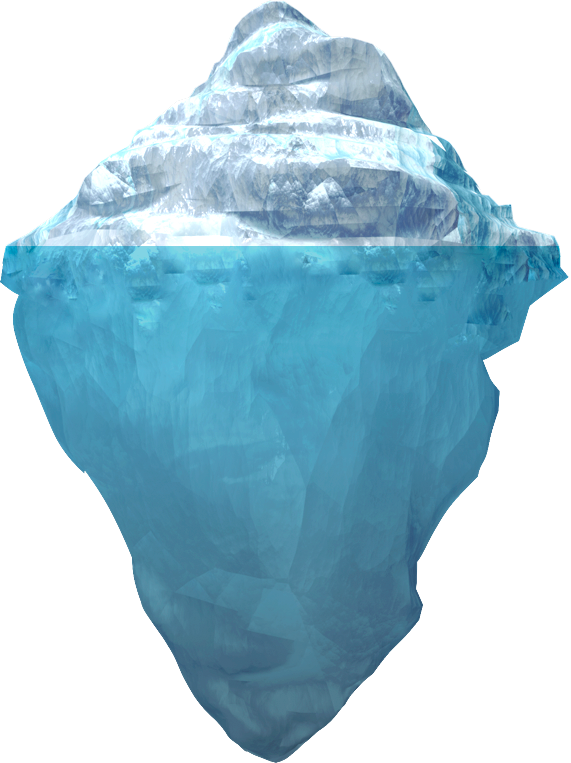
The conscious mind disappears during sleep (and in a coma). The unconscious mind is inaccessible mainly but sometimes comes to the surface, for example, in our dreams, slips of the tongue (often referred as a Freudian slip), in our fantasies or in our automatic skills. Have you ever arrived at work or home with no memory of the journey? Our intuition, motivation and interpersonal attractions are also shaped outside our conscious awareness.
The latest research on mental function has validated the original idea of Freud that many of our decisions and actions are made with very little conscious knowledge. Why did you choose your job? Why did you wrap Christmas gifts two months in advance? Why did you fall in love with this person?
These are all to be discovered in psychodynamic therapy…
